

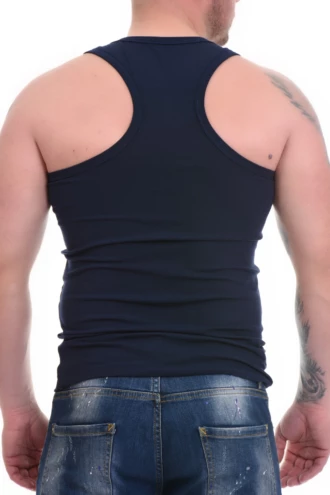
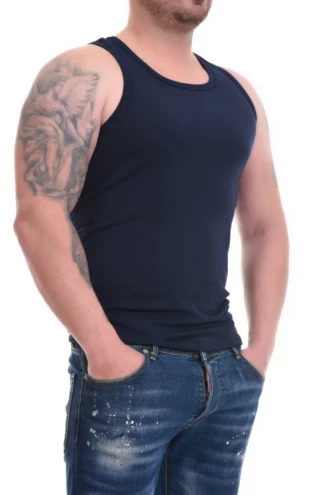
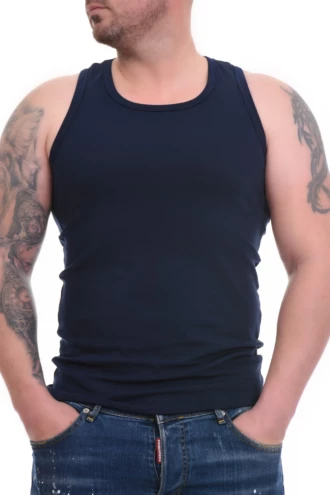

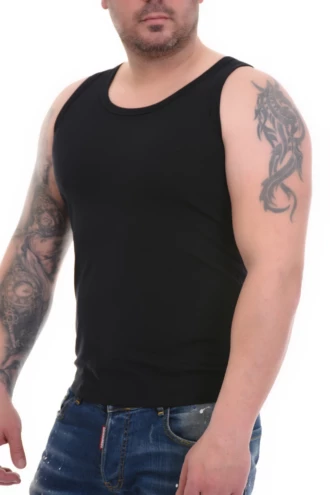
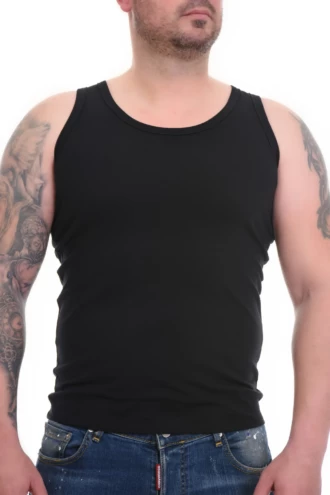
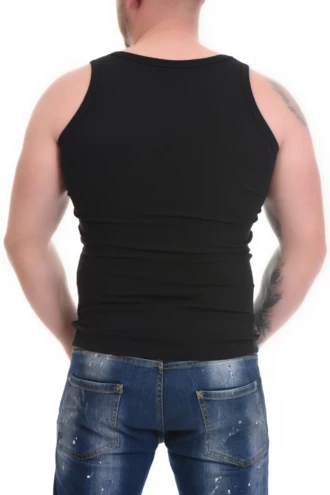
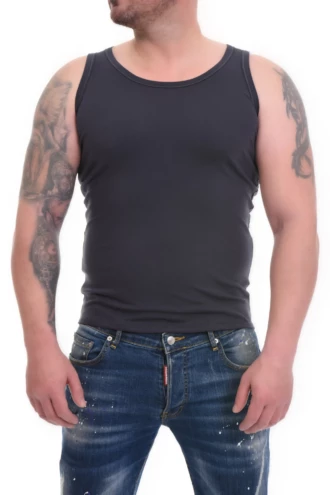
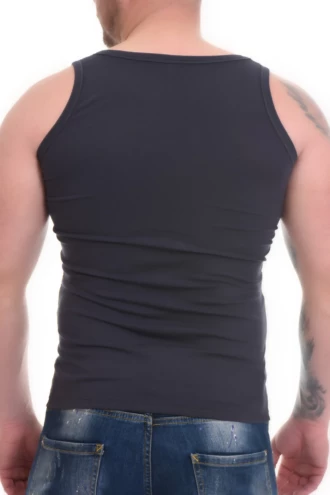
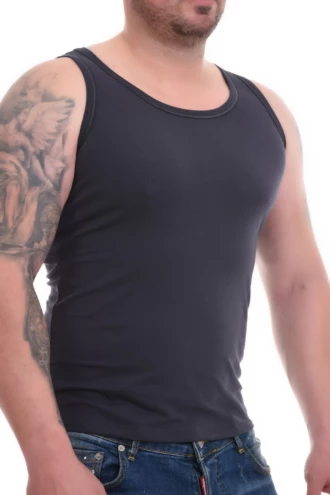
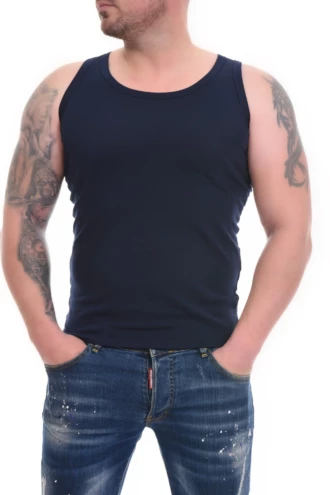
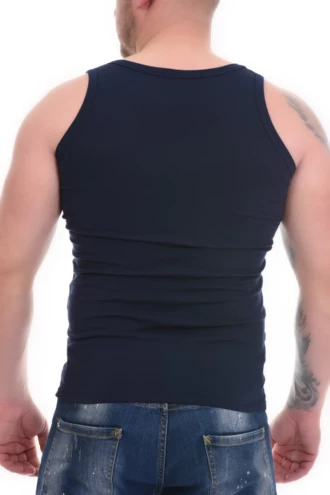
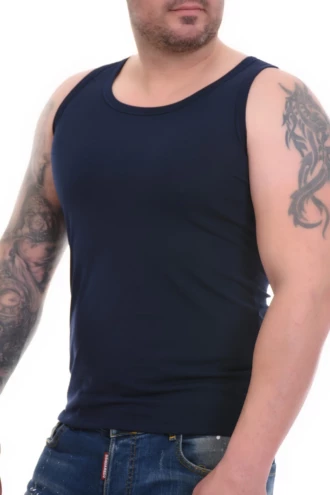

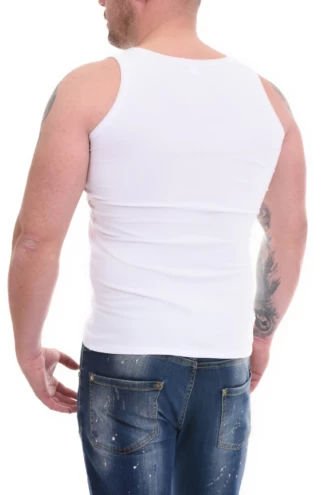
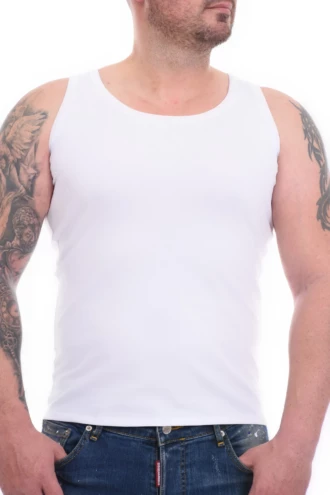
A men’s vest (UK English) or tank top (US English) is a sleeveless top with shoulder straps and an athletic cut. Vests work as a base layer under shirts for warmth and sweat absorption, as standalone summer wear, as gym and athletic wear, and as sleepwear. The fitted cut and stretch fabric stay close to the body without bulk under outer clothing.
This collection covers our men’s vest and tank top range. Most styles are cotton or cotton-blend with elastane for stretch, with a fitted athletic silhouette that includes a racerback or wide-shoulder strap cut. The fabric handles daily wear, gym use, and warm weather, and the fitted cut works as a smooth base layer under button-up shirts, jumpers, and blazers.
What’s the difference between a vest and a tank top? The two terms refer to the same garment in different English variants. In UK English, “vest” is the standard term for a sleeveless men’s top worn as underwear or base layer. In US English, the same piece is called a “tank top” or “A-shirt.” Some US speakers also call them “wife-beaters” colloquially, though that term has fallen out of mainstream use.
When should I wear a men’s vest? Three main use cases: (1) as a base layer under shirts in winter for added warmth and sweat absorption; (2) as gym and athletic wear in warm weather; (3) as standalone summer wear or sleepwear for hot nights. The fitted cut works under almost any outer layer without bulk.
Can men’s vests be worn as outerwear? Yes — in casual contexts, summer settings, and at the gym. Style-wise, men’s vests as outerwear read as casual or athletic rather than smart-casual. For dressier occasions, pair them under an open shirt or blazer rather than as the visible top layer.
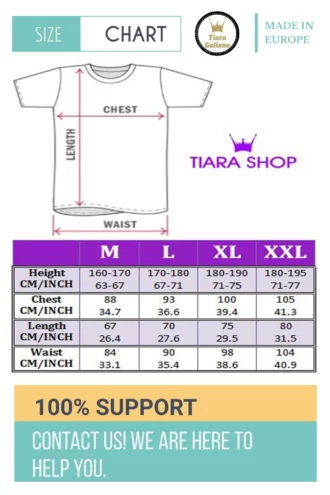
How should a men’s vest fit? Snug across the chest and torso, with no bunching at the waist or pulling at the shoulders. The armholes should sit close to the chest without exposing too much of the side body. The hem should be long enough to tuck cleanly into trousers if worn as a base layer.
How do I care for men’s vests? Machine wash cold on a gentle cycle. Skip fabric softener — it coats the fibers and reduces breathability. Tumble dry low or hang to dry. Replace when the shoulder straps stretch out or the hem starts to curl.